Category: Weekly Sharing
-
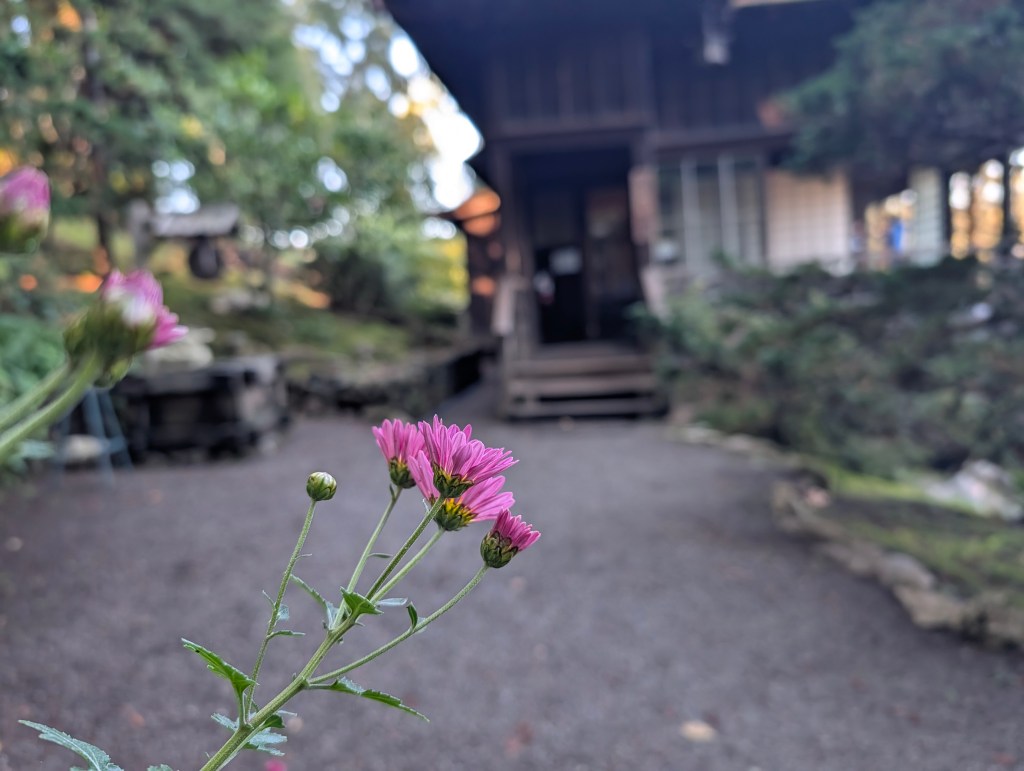
The Bud Within
In her reflection, Ann shares insights on the dichotomy of control in Zen Buddhism, contrasting self-reliance with trusting a greater power. Inspired by a blooming chrysanthemum bud, she emphasizes the importance of recognizing one’s inner potential while navigating life’s uncertainties. Ann encourages embracing individual growth amidst life’s unpredictability.
-

Observing the Stillness Between the Two Breaths – The Sacred Pause
Deepak reflects on the simple joy of pushing his daughter on a swing, noting the brief moment of stillness at the top. He draws parallels between the swing and life, emphasizing the importance of pauses and awareness amidst constant motion. This stillness, as taught by Lord Shiva, connects movement and consciousness, revealing our true essence…
-
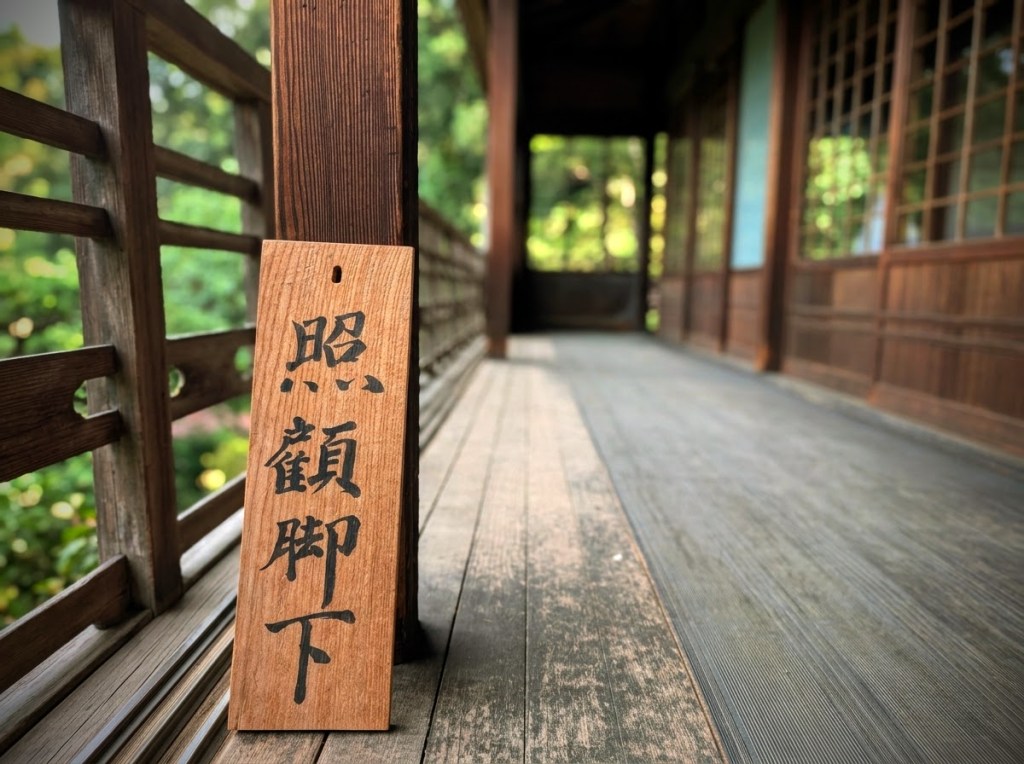
Watch Your Step
The Japanese phrase shōko kyakka, seen often at temples, means “watch your step,” but carries deeper significance in Zen. Originating from a story where a teacher emphasizes the importance of being present and mindful, it encourages individuals to focus on their own actions and responses rather than others, promoting awareness in daily life.
-
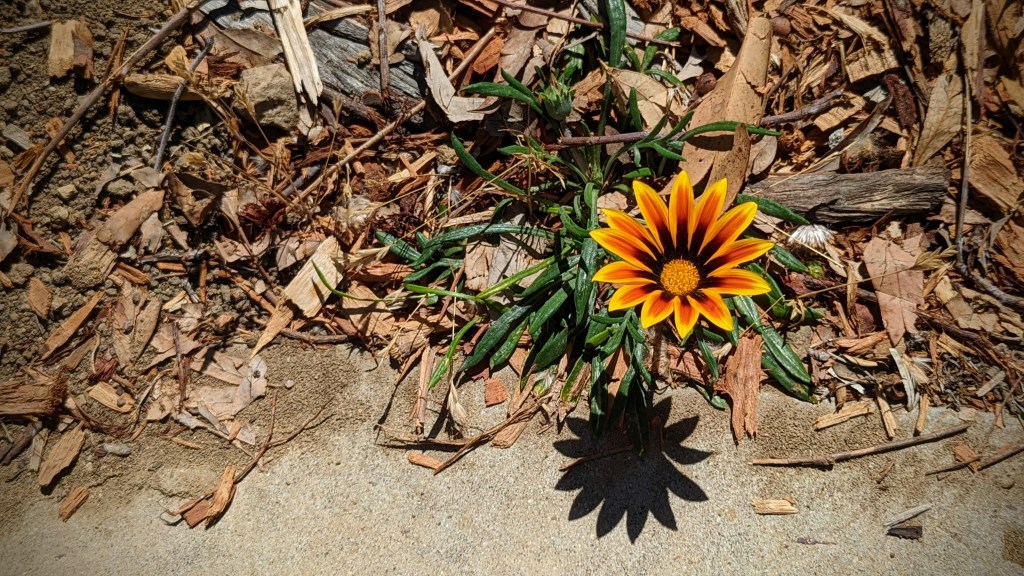
Reversing the Deep Dish Pizza Theory
By Meisam I spent the last few days struggling, trying to come up with an interesting narrative for what I wanted to share today. Similar to how I struggled during last week’s long meditation session.Eventually, I had to laugh at myself. Because I realized I was falling into the exact same trap for both: trying…
-

Finding Rest in the Middle of Things: Bob’s Reflections on The Five Invitations
In this moving reflection, our community member Bob shares how the teachings of The Five Invitations provided profound grounding during a sudden family crisis. Through the heartbreaking loss of his brother, Bob explores practical ways to welcome difficult emotions, stay present in the chaos, and find a sanctuary of rest in our most challenging times.
-
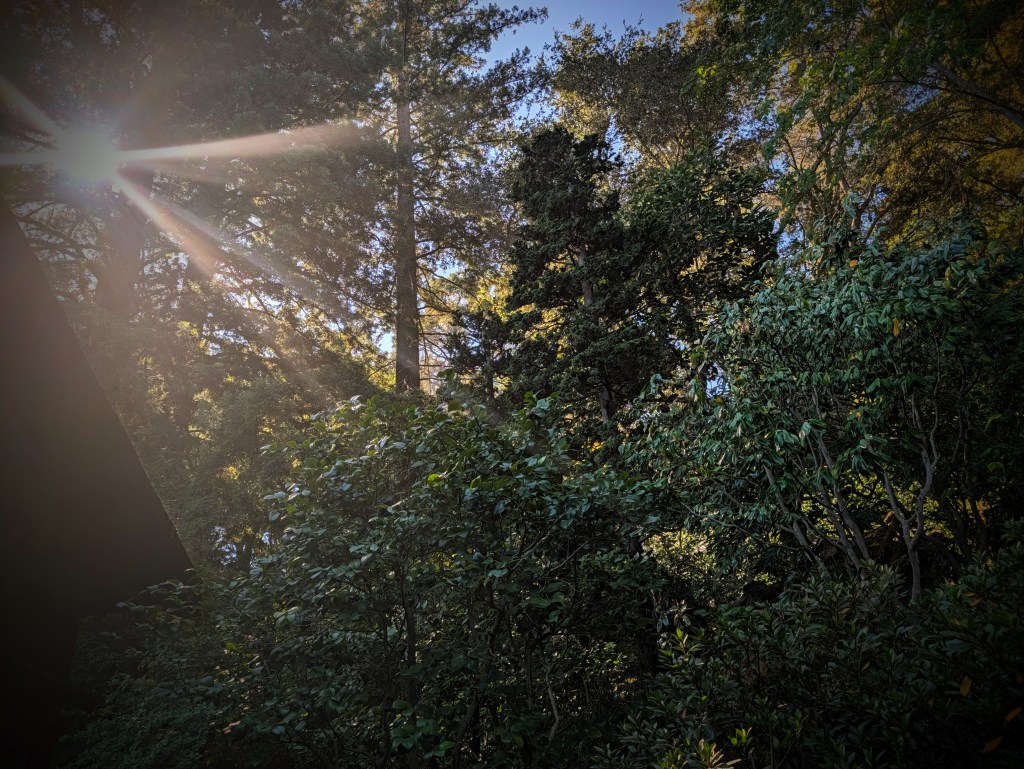
Finding Magic in the present
Claudia shares her recent feelings of calmness and happiness, describing a meditation experience at Zazen-kai where she brought flowers and invited her late grandmother’s spirit. A hummingbird’s presence during meditation symbolizes resilience and spiritual connections. She reflects on finding joy and gratitude, emphasizing the importance of perspective in one’s search for happiness.
-

Nothing Happens
The author reflects on experiences in Alaska, where the unique quality of sunlight alters perceptions of time and activity. This contrasts with their home environment, where light dictates schedules. Through observing light changes, the author finds beauty in detachment and questions the need for busyness, realizing that the essence of light transcends location.
-

Meditation is not clearing the mind
Adam reflects on his meditation practice, comparing it to laundry, where he cleans his mind weekly but faces challenges during stressful workdays. Inspired by Gelong Thubten, he learns meditation is not about clearing thoughts, but about gently returning focus. Emphasizing self-compassion, he advocates for mindfulness in daily life and embracing discomfort.

