Shared by Kaz
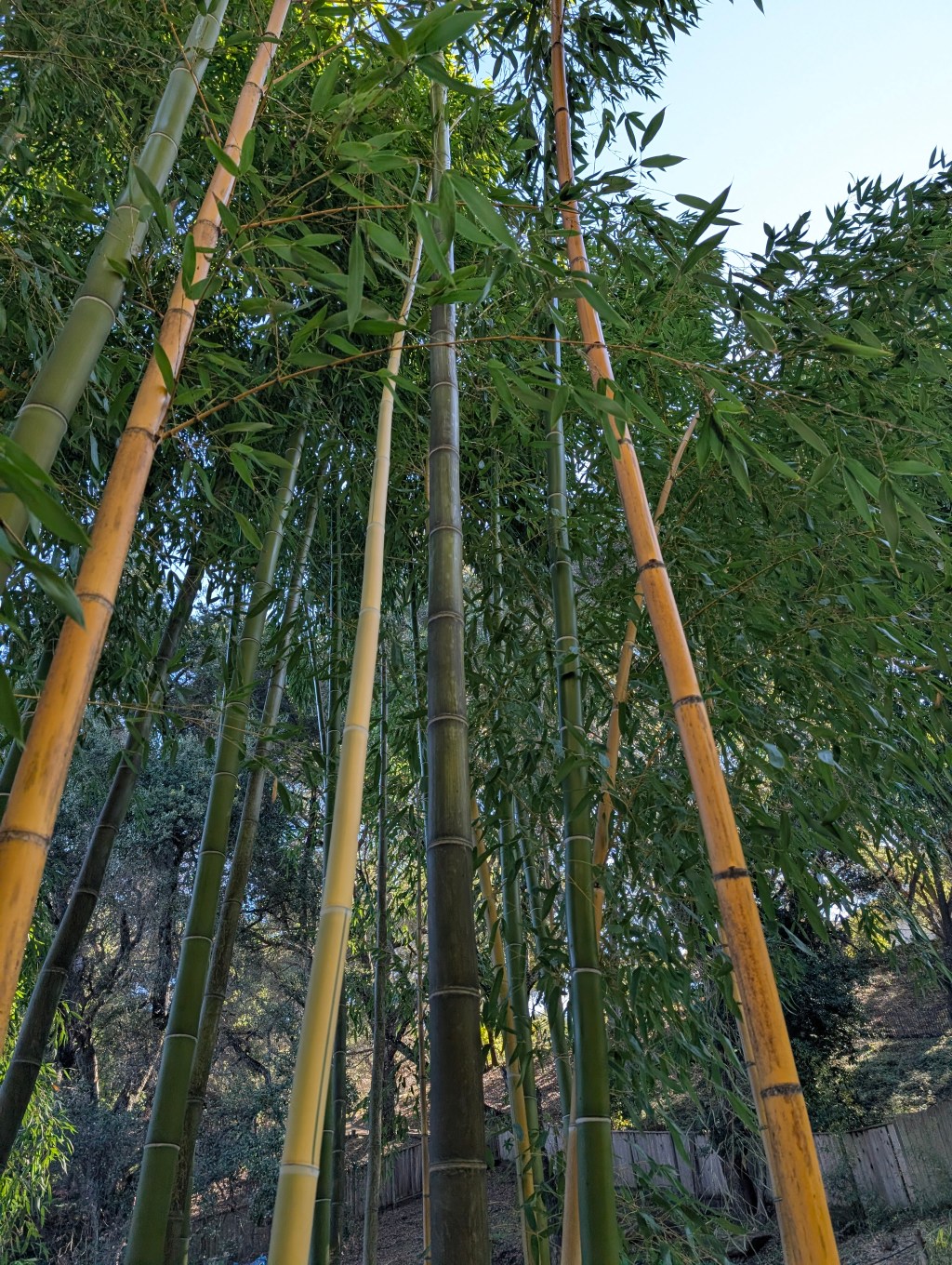
The bamboo: straight and upright, yet flexible and resilient. This simple yet profound metaphor beautifully captures the essence of Zen practice. Shared by Roshi Joan Halifax in an NHK program I recently watched while in Japan, it offers a powerful way to understand meditation and mindfulness.
The NHK program explored why meditation is often perceived as inaccessible in Japan. For many, it’s associated with rigid discipline, religious tradition, or the belief that it’s impossibly difficult. To challenge these misconceptions, the program conducted an experiment with monks. Each monk was asked to press a button whenever their thoughts wandered during meditation. Unsurprisingly, the lights lit up repeatedly. Even monks with years of practice experience wandering thoughts. The takeaway was clear: meditation isn’t about achieving a perfect, thought-free state. Instead, it’s about the simple act of noticing when the mind drifts and gently returning to the present moment.
This is where the bamboo metaphor comes to life. As Roshi Joan Halifax explained, bamboo stands upright—steady and grounded—yet it bends with the wind, always returning to center. Similarly, in zazen, we sit upright, grounded in the present moment. And though our minds may sway with thoughts, the practice is to notice, adjust, and return to the here and now. Like bamboo, our strength lies in our flexibility and resilience.
This practice doesn’t have to remain confined to the meditation cushion. Mindfulness can be woven into our daily lives. Whether it’s feeling the cool air on our skin, hearing the rustling of leaves, or focusing on the sound and sensation of chopping vegetables, every moment offers an opportunity to practice. Even something as ordinary as a train ride can become meditation if we pause, breathe, and notice the moment as it is.
Meditation is not about achieving nothingness. It’s about noticing when we’ve wandered and gently guiding ourselves back to the present moment—again and again.
Like bamboo, we bend, we sway, but we always return to center.
Here is the NHK’s program summary in Japanese
 Hakone Zendo