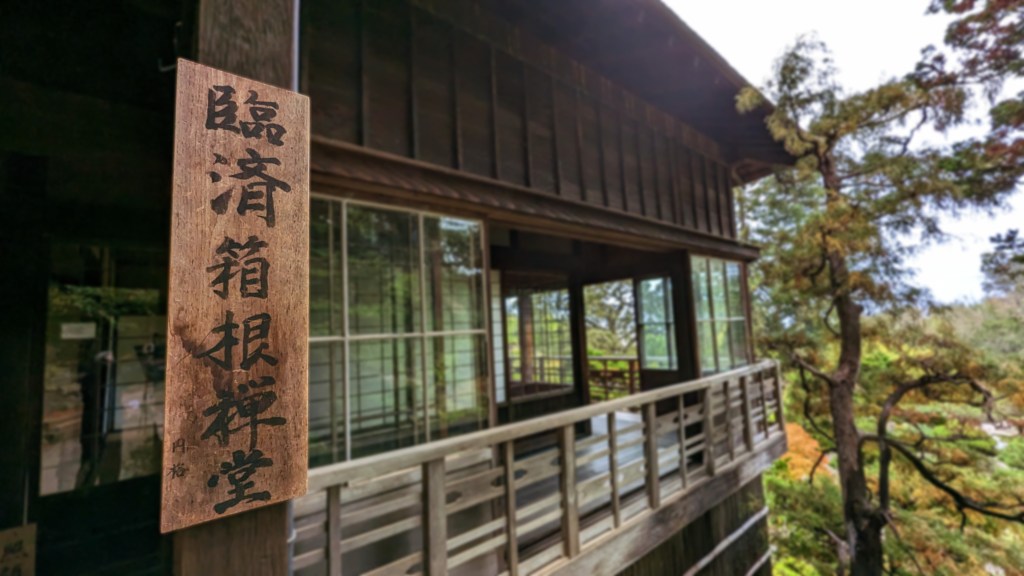
Shared by Kaz
In 2012, Rev. Ito provided guidance to students on how they should prepare for zazen practice at our zendo. This guidance, titled “Rinzai Hakone Zendo Zazen Kokoroe,” outlines the essential principles and practices. I have included additional explanations to enhance understanding.
礼儀作法 (reigi saho) Etiquette and Courtesy. Students are expected to show respect towards the zendo and their fellow practitioners.
- Dress Code: Follow the dress code of zendo.
- Arrive Early: Show respect for others by arriving early. This helps avoid disturbing anyone.
- Entering the Temple: Remove your shoes and line them up neatly. Place any items you’re holding on the ground, and bow when entering or exiting.
- Walking on tatami: Avoid stepping on the edges of tatami mats. Keep quiet and walk mindfully to maintain tranquility.
- Silence and Mindfulness: Keep still and quiet during zazen to respect others. The zendo should be silent, except for essential communication.
- Interactions with Others:
- Greet others with a bow or “gassho” and be considerate.
坐してかんがえよ (za shite kangae yo) literally translating to “Sit and think,” holds a profound significance in Japanese Zen teachings. Beyond its literal meaning, it embodies a call to mindful presence. It urges practitioners to pause, settle into stillness, and cultivate a heightened awareness of the present moment. By letting go of distractions and thoughts about the past or future, one can fully engage with the now.
坐をきめよ (za wo kime yo) means to establish a stable and upright posture during meditation, which translates into physical stability, mental resolve, presence, and discipline in your practice. It’s about grounding yourself, centering your mind, and committing to the present moment.
背筋 頭 丹田 (sesuji atama tanden) Allow your body to settle. Straighten your spine, aligning your head. Bring your focus to the tanden, two and a half inches below your navel. Let your mind and all else rest in the tanden.
気息を坐らせよ (kisoku wo suwaraseyo) Allow your breath to settle into a natural, slow rhythm through your nose. Gently extend the exhale, aiming for it to be about twice as long as the inhale.
丹田を落ち着かせここが己の住処なり (tanden wo ochitsukase kokoga onoreno sumika nari) translates to “Calm your center (tanden), this is your true home.” This Zen phrase encourages focusing on your inner center—the tanden, located in the lower abdomen—to cultivate self-awareness and inner peace.
Here is recording of teisho by Rev Ito from 7/22/2012.
 Hakone Zendo